Mastering the Arial Dirty Ground Procreate Brush: Avoid Common Mistakes and Get the Most from Your Textures
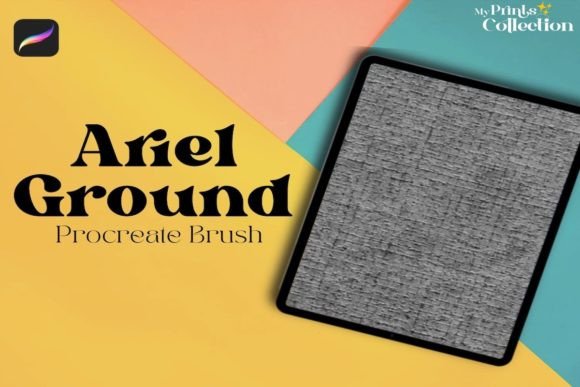
If you're a digital artist or designer using Procreate, you've probably encountered the need for realistic, high-quality textures that add depth and character to your work. The Arial Dirty Ground Procreate Brush is a specialized tool designed to help artists apply seamless ground or dirt textures effortlessly. Unlike generic brushes, this one is crafted specifically for Procreate users who want to enhance their digital illustrations with authentic, tactile surfaces. But like any creative tool, its effectiveness depends on how well you understand and use it.
Many creators jump into using texture brushes without fully grasping their nuances, which can lead to subpar results. This article will walk you through common pitfalls, how they impact your work, and what you can do to get the most from the Arial Dirty Ground Procreate Brush.
Misunderstanding the Brush's Purpose
One of the most frequent missteps is assuming that the Arial Dirty Ground Procreate Brush is a one-size-fits-all texture tool. While it excels at adding ground and dirt effects, it’s not meant to simulate every kind of surface. Some users try to stretch its use beyond its intended scope—like using it for wood grain or fabric textures—only to be disappointed with the results.
This misunderstanding can lead to wasted time and frustration. The brush works best when used for what it's designed: seamless ground patterns that blend naturally into your artwork. To avoid this mistake, always consider the context of your illustration. If you're creating a forest floor or a dusty path, this brush can be a powerful ally. But for other surfaces, it's better to explore other brushes tailored for those specific textures.
Not Checking Compatibility and Requirements
Another common issue is downloading or purchasing the brush without verifying that it’s compatible with your version of Procreate. The Arial Dirty Ground Procreate Brush requires Procreate App version 5 or higher and is not compatible with Photoshop or Illustrator. Many users overlook this detail and end up with a brush they can’t use.
This can be a costly mistake, especially if you're buying from a third-party marketplace. Always double-check the software requirements before making a purchase. If you’re unsure about your Procreate version, you can check it in the app settings. If you're using an older version, consider updating before investing in brushes that require the latest features.
Overlooking the Importance of Layer Management
Texture brushes like the Arial Dirty Ground Procreate Brush work best when applied strategically across layers. A common mistake is applying the texture directly onto the base layer of your artwork, making it difficult to adjust or remove later. This approach limits your flexibility and can muddy the overall look of your piece.
Instead, use separate layers for textures. This allows you to adjust opacity, blend modes, and masks without affecting your original illustration. For example, if you're adding a dirt texture to a character’s shoes, apply the brush on a new layer above the shoe layer. This way, you can tweak the effect without repainting the shoes themselves.
Using the Brush Without Customization
Some artists assume that the brush should be used exactly as it is, without adjusting settings. While the Arial Dirty Ground Procreate Brush is well-designed out of the box, its performance can be significantly improved with a few tweaks. Ignoring settings like grain, opacity, and scattering can result in a flat or unrealistic texture application.
Take a few minutes to experiment with the brush settings. Try lowering the opacity for a more subtle effect or adjusting the scattering to create a more natural, uneven ground texture. Customizing the brush to suit your specific project can elevate your work from generic to professional.
Misjudging Texture Scale and Repetition
One of the unique features of the Arial Dirty Ground Procreate Brush is its seamless pattern capability. However, some users don’t consider the scale of the texture in relation to their canvas. A brush that looks great on a small illustration may appear too large or repetitive when used on a larger piece.
To avoid this, test the brush on a small section of your canvas first. Zoom in and out to see how the pattern behaves at different scales. If the texture appears too uniform or artificial, try using multiple layers with slightly different scales or blend modes to break up the repetition and add depth.
Skipping the Learning Curve
Even the best brushes require a bit of practice to master. Some users expect immediate results and become discouraged when their first attempts don’t look realistic. This is especially true for beginners who may not be familiar with blending techniques or layer adjustments.
The solution is to invest a little time in learning how to use the brush effectively. Look for tutorials or demo videos that show how the Arial Dirty Ground Procreate Brush is used in real projects. Many creators share their workflow online, and watching how they layer and blend textures can give you valuable insights.
Buying Without Previewing
Before purchasing any brush, it’s wise to preview it if possible. Some marketplaces offer sample images or demo brushes that let you test the texture before committing. Skipping this step can lead to disappointment if the brush doesn’t perform as expected.
If a preview isn’t available, read reviews from other users and check the creator’s portfolio. A reputable seller will often provide examples of the brush in action. This helps you gauge whether it aligns with your artistic goals and style.
Ignoring the Bigger Picture
Textures are tools, not solutions. Some artists fall into the trap of overusing the Arial Dirty Ground Procreate Brush, thinking that adding more texture automatically improves their artwork. In reality, restraint and thoughtful application are key to achieving a polished look.
Ask yourself whether the texture serves the composition. If it’s distracting or doesn’t enhance the mood of the piece, it might be better to use it sparingly or not at all. Remember, less is often more when it comes to digital textures.
Final Thoughts: Getting the Most from Your Brush
The Arial Dirty Ground Procreate Brush is a versatile and valuable tool for digital artists looking to add authentic ground textures to their work. By avoiding common mistakes—like misusing the brush, ignoring compatibility, or skipping customization—you can significantly improve your results and workflow.
Always take the time to understand the brush’s capabilities, experiment with settings, and apply textures thoughtfully. With a bit of practice and attention to detail, you’ll find that this brush becomes a go-to resource in your creative toolkit.