Dirty Brush Strokes and Rustic Brush Shape: Creative Power with Practical Precision
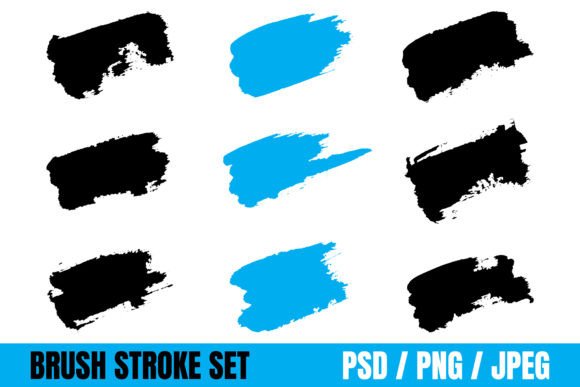
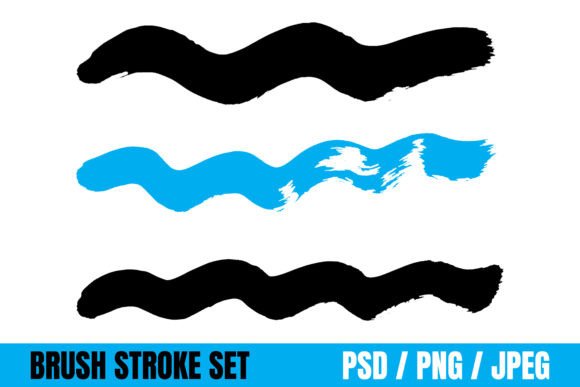
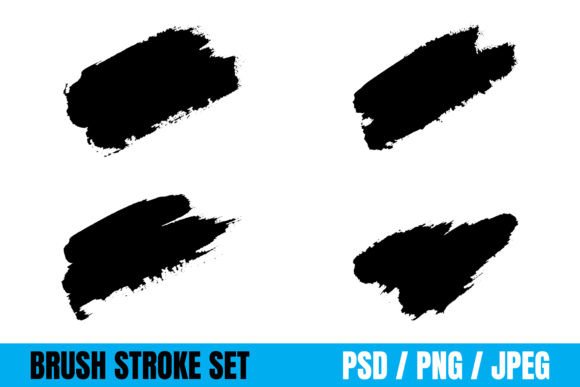
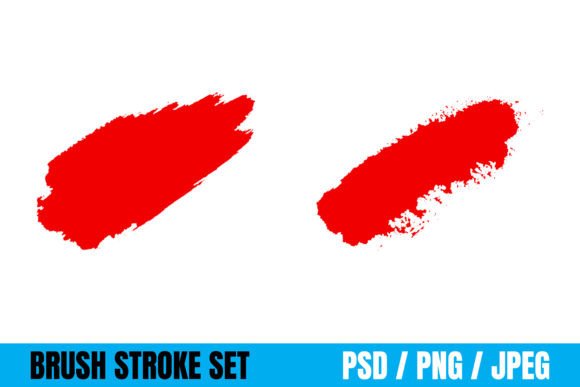
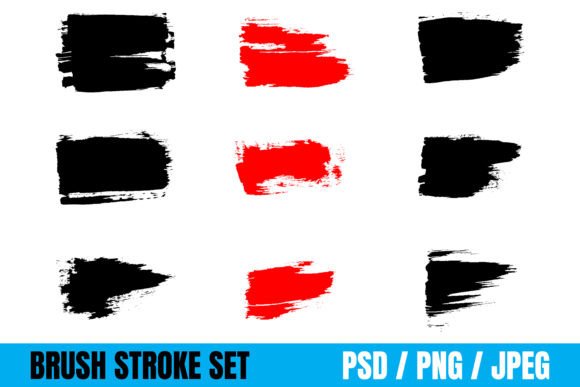
When it comes to design elements that add character and authenticity, Dirty Brush Strokes with a Rustic Brush Shape stand out. These textured, organic brushstrokes are ideal for creatives looking to infuse a handmade feel into digital or physical projects. Whether you're designing a vintage logo, crafting a rustic book cover, or creating a social media banner with a tactile edge, these brushstrokes offer flexibility and visual appeal.
However, many users overlook key details when choosing or applying these assets, which can impact the final outcome. Understanding how to properly use and evaluate these brushstrokes can save time, improve quality, and ensure your creative vision comes through clearly.
Common Missteps and How to Avoid Them
One of the most frequent issues people face is downloading a set of Dirty Brush Strokes without checking the included file formats. While many assume they'll work universally, not all platforms support every format. For example, if you're using Adobe Photoshop, you'll benefit from the included PSD files. But if you're working in Canva or another web-based tool, PNG or JPEG versions may be more practical.
Another common mistake is assuming all brushstroke sets are created equal. Some sets may have inconsistent textures, low resolution, or limited variations in stroke style. This can lead to repetitive or low-quality visuals, especially when scaling for print or high-resolution digital use. Always preview samples and, if possible, test a few strokes before committing to a full download or purchase.
Choosing the Right Format for Your Project
This set of Rustic Brush Shape strokes comes in multiple formats—PSD, JPEG, and PNG—ensuring compatibility across a wide range of creative tools. Here's how to make the best choice:
- PSD – Ideal for layered Photoshop work where you need to adjust colors, opacity, or blending modes without losing quality.
- PNG – Great for transparency needs, such as logos, website graphics, or overlay textures on photos.
- JPEG – Best for quick use in print or web formats where file size matters more than transparency.
Using the wrong format can result in pixelation, loss of detail, or unnecessary file bloat. Always match the format to your end goal and the software you're using.
Don’t Underestimate the Power of Layering
Many users apply a single brushstroke and stop there, missing out on the depth that layering provides. With this set of Dirty Brush Strokes, you can stack multiple strokes to build texture and dimension. For example, when designing a rustic brand logo, layering two or three different strokes with varying opacities can mimic the look of hand-painted elements without the mess.
However, over-layering is also a risk. Too many overlapping strokes can make your design feel cluttered or muddy. A better approach is to start with one dominant stroke, then selectively add lighter or darker accents to guide the viewer’s eye.
Scaling and Resolution: A Critical Detail
Brushstrokes often look great on screen but disappoint when printed or used at larger sizes. If you're planning to use these in packaging or large-format prints like banners, always check the resolution of the files you're downloading. Low-resolution JPEGs or PNGs may appear blurry when scaled up.
For best results, use vector-based or high-DPI raster files (at least 300 DPI) for print work. If only lower-resolution options are available, test them at full size before finalizing your design. It's better to catch a quality issue early than to discover it after printing.
Matching Brushstrokes to Your Design Style
Just because a brushstroke looks cool doesn't mean it fits every project. The Rustic Brush Shape is perfect for vintage, artisanal, or nature-inspired themes, but it may clash with modern minimalist or clean corporate designs.
Consider the message you're trying to convey. If you're creating a logo for a luxury skincare brand, a soft watercolor brush might be more appropriate than a gritty, textured stroke. On the other hand, if you're designing a craft beer label or a farmer’s market poster, the Dirty Brush Strokes could be exactly what you need to evoke authenticity and warmth.
Testing Before Committing
Before purchasing or downloading a full set, try to find a preview or demo version. Many creators offer sample strokes that allow you to test compatibility with your software and see how the strokes behave in your actual design. This step can prevent disappointment and wasted time.
If no preview is available, read user reviews and check the creator’s portfolio. A reputable provider will often show real-world examples of how their brushstrokes have been used successfully. This insight can help you gauge whether the set will work for your intended purpose.
Practical Uses Across Different Projects
These Dirty Brush Strokes are versatile enough to be used in a wide range of creative endeavors:
- Card and Packaging Design – Add a handcrafted feel to greeting cards, gift tags, or product packaging.
- Logo and Branding – Incorporate rustic strokes into logo elements for a tactile, artisanal look.
- Book Covers and Editorial Design – Use strokes to frame text or create visual texture that draws readers in.
- Website and Social Media Banners – Enhance digital graphics with organic shapes that stand out without being overwhelming.
Each application benefits from a thoughtful approach to placement, color, and layering. Experiment with blending modes like Multiply or Overlay in Photoshop to integrate the strokes more naturally into your design.
Final Considerations Before You Download
Before downloading or purchasing this set of Rustic Brush Shape strokes, ask yourself the following:
- What is my end use—print, web, or both?
- What file formats do I need for my software?
- Do I have a clear idea of how I’ll apply these strokes in my design?
- Have I checked the resolution and quality of the sample files?
Answering these questions can help you avoid common pitfalls and ensure you get the most value from your creative tools. The goal is to enhance your work, not complicate it.
Conclusion
With the right approach, Dirty Brush Strokes and Rustic Brush Shape can elevate your design from flat and generic to expressive and engaging. By understanding the formats, avoiding common mistakes, and applying strokes thoughtfully, you can create designs that resonate with your audience and reflect your unique style. Take the time to explore and experiment—your creative projects will thank you.