Grungy Brush Strokes and Dirty Brush Shapes: A Unique Resource for Creative Expression
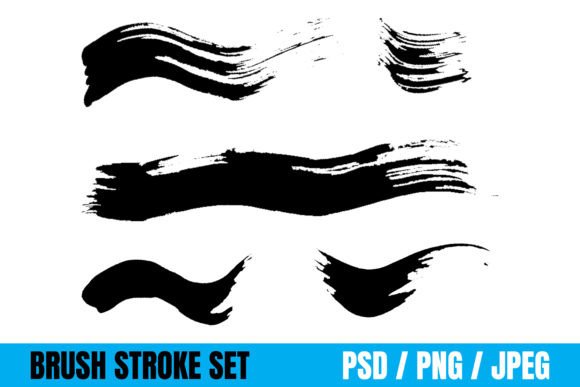
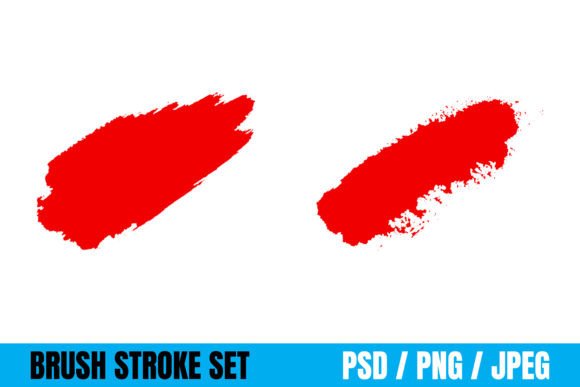
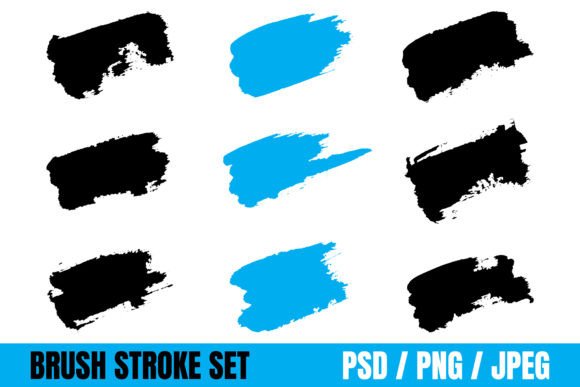
For designers, crafters, and digital artists seeking to add texture and character to their work, Grungy Brush Strokes and Dirty Brush Shapes offer a compelling toolkit. This collection of paintbrush strokes is designed with authenticity in mind, capturing the raw, imperfect qualities of traditional brushwork. Whether you're working on a logo, a book cover, or a social media banner, these strokes provide a tactile, handcrafted feel that digital brushes often lack.
What sets this set apart is its versatility and accessibility. The strokes come in multiple formats—PSD, JPEG, and PNG—ensuring compatibility across a wide range of design software and applications. This flexibility allows users to integrate grungy textures seamlessly into both print and digital projects without needing specialized tools or advanced technical skills.
Understanding the Distinctiveness of Grungy Brush Strokes
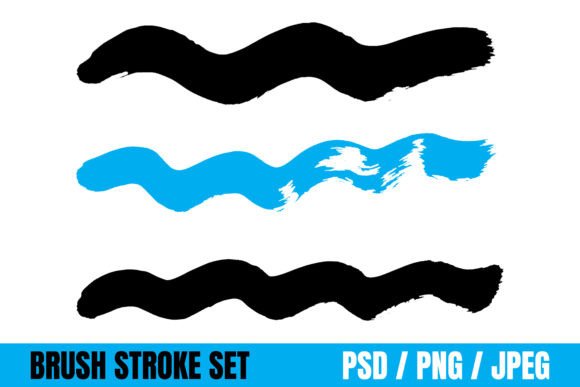
At their core, Grungy Brush Strokes are digital assets that mimic the chaotic, layered appearance of real paintbrush marks. These strokes are not clean or uniform; instead, they embrace imperfection, with splatters, drips, and uneven edges that evoke a sense of organic movement. This aesthetic is particularly valuable for projects aiming to convey authenticity, rebellion, or a vintage vibe.
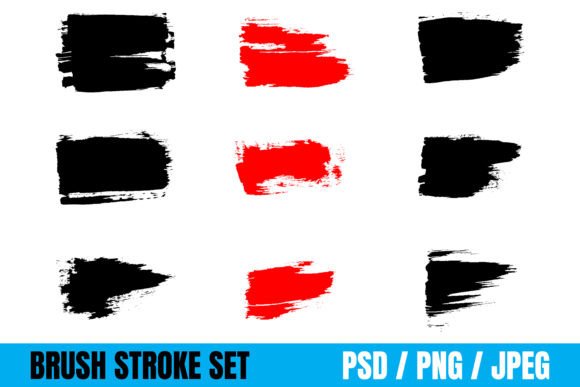
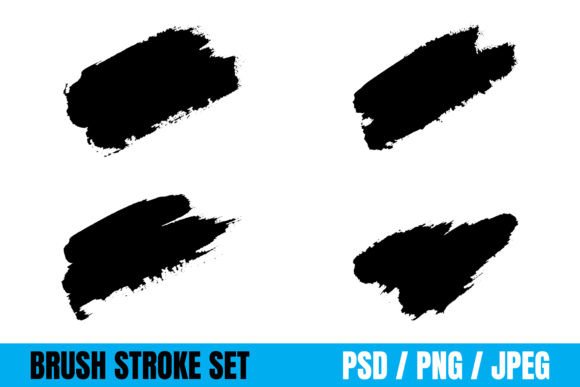
Dirty Brush Shapes expand on this concept by offering pre-cut brush elements that can be layered, resized, or recolored to suit specific design needs. Unlike standard brush packs that focus on smooth, repeatable patterns, these shapes emphasize variation and irregularity. Each stroke or shape carries a unique texture, making it ideal for designs that benefit from a more human, hand-made quality.
Comparing Grungy Brush Strokes to Other Design Resources
When evaluating digital brush resources, it's helpful to consider how Grungy Brush Strokes stack up against other popular styles and formats. Traditional digital brush sets often prioritize precision and uniformity, making them ideal for clean, minimalist design work. However, they may fall short when a more expressive or textured look is desired.
In contrast, Grungy Brush Strokes cater to the opposite end of the spectrum. They're not meant to be flawless or predictable; rather, they add visual interest through their unpredictability. This makes them particularly effective for projects like:
- Band posters and music album covers
- Urban-themed branding and packaging
- Handcrafted greeting cards and invitations
- Editorial design with a raw, journalistic tone
Compared to vector-based brushes or pattern fills, these strokes offer a more spontaneous, painterly quality. However, they may not be as scalable without some loss of detail, especially when enlarged significantly. This is a tradeoff to keep in mind depending on the scope and medium of your project.
Strengths and Limitations of Dirty Brush Shapes
One of the strongest attributes of Dirty Brush Shapes is their adaptability. Because they're provided in multiple formats, users can choose the best version for their workflow. For example, PSD files allow for layered editing in Photoshop, while JPEG and PNG files can be used directly in most graphic design applications without requiring advanced software.
Another advantage is the ease of integration. Designers can layer these shapes over existing backgrounds or elements without needing to simulate brush effects manually. This saves time and adds visual depth with minimal effort. Additionally, the textures work well in both color and grayscale, making them suitable for a wide variety of design palettes.
However, there are some limitations to consider. Since these are raster-based assets, they may not scale as cleanly as vector graphics. Designers working on large-format prints or needing ultra-crisp edges might find that vector brushes or custom hand-drawn elements offer better results. Also, while the grungy aesthetic is powerful, it may not be appropriate for all design contexts—especially those requiring a polished, corporate look.
Best Fit Situations for Grungy Brush Strokes
Grungy Brush Strokes shine in creative environments where a sense of grit and authenticity is important. They’re particularly effective in:
- Brand identity projects for indie or alternative markets
- Website headers and banners that need a strong visual hook
- Social media content that benefits from a dynamic, expressive style
- Book covers for genres like noir fiction, memoirs, or edgy young adult literature
For example, a small coffee shop launching a new line of artisanal blends might use these brush strokes in their packaging design to emphasize craftsmanship and organic quality. Similarly, a blogger focusing on urban exploration or street culture could incorporate these textures into their website’s visual layout to reinforce the raw, documentary tone of their content.
When to Consider Alternatives
While Grungy Brush Strokes are versatile, they aren't universally applicable. In more formal or corporate design contexts, such as financial reports, legal documents, or high-end luxury branding, a cleaner, more controlled aesthetic is often preferred. In those cases, minimalist brush sets, vector illustrations, or even hand-drawn sketches may be more appropriate.
Additionally, if your project requires extreme scalability—such as large-scale outdoor advertising or intricate logo design—you might want to explore vector-based brushes or custom illustrations. These alternatives maintain clarity at any size and can be more easily adjusted for different applications.
Practical Tips for Using Grungy Brush Strokes and Dirty Brush Shapes
To get the most out of this resource, consider the following best practices:
- Layer thoughtfully: Use multiple strokes and shapes to build depth, but avoid overcrowding the design. Let the texture enhance the composition rather than dominate it.
- Adjust opacity and blending modes: Lowering the opacity or using blending modes like Multiply or Overlay can help integrate the strokes more naturally into your design.
- Experiment with color: While the original strokes may be black or sepia-toned, recoloring them to match your brand palette can extend their usefulness across different projects.
- Test across formats: Make sure the strokes look good both on screen and in print. Some textures may appear differently depending on the medium.
Final Thoughts: Choosing the Right Tool for Your Creative Vision
Grungy Brush Strokes and Dirty Brush Shapes offer a distinctive way to infuse personality into your creative work. They’re especially valuable when you want to break away from the sterile perfection of digital design and introduce a more human, tactile quality. However, like any creative tool, they work best when used intentionally and in alignment with your overall design goals.
By understanding their strengths, limitations, and ideal use cases, you can determine whether this set is the right fit for your next project. If you're looking for a versatile, expressive resource that bridges the gap between traditional art and digital design, these brush strokes are worth exploring. If your needs lean toward precision, scalability, or a more refined aesthetic, other tools may serve you better.